How to check a Thai condo for outstanding common-area fees
Unpaid common-area fees attach to the unit, not just the seller, and can stall a transfer. Here is how to check a unit's standing and what ongoing costs to expect.
Reviewed by TransferDueLast reviewed 11 June 2026
What common-area fees are
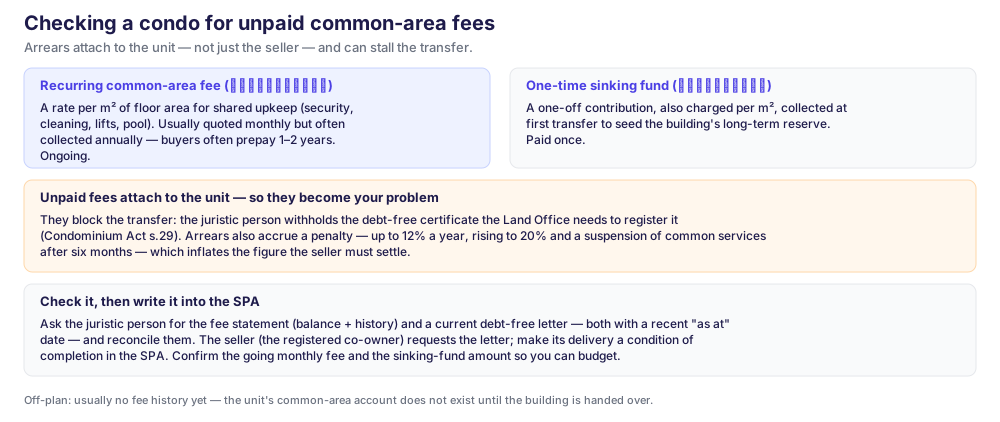
Every registered condominium charges a recurring common-area maintenance fee (ค่าส่วนกลาง) to fund shared upkeep — security, cleaning, lifts, pools, and the like. It is set as a rate per square metre of the unit's floor area; although that rate is usually quoted per month, the fee is commonly collected annually, and buyers often prepay a year or two at transfer.
Separately, a one-time sinking-fund (เงินกองทุน) contribution — also charged per square metre — is normally collected at first transfer to seed the building's long-term reserve. The recurring fee is your ongoing cost; the sinking fund is a one-off.
Why arrears matter to a buyer
Unpaid common-area charges are effectively tied to the unit. Because the juristic person withholds the debt-free certificate the Land Department needs to register a transfer (Condominium Act Section 29, on the expenses under Section 18), an unpaid balance follows the unit into the sale — so it becomes your problem to get cleared before the transfer can complete. Arrears can also carry a penalty surcharge (up to 12% a year, rising to 20% and a suspension of common services after six months), which inflates the figure the seller must settle.
So outstanding fees are both a cost question and a completion question.
How to check the unit's standing
Ask the juristic person for the unit's common-area fee statement (ใบแจ้งหนี้ค่าส่วนกลาง), showing the current balance and payment history, and for an up-to-date debt-free letter certifying nothing is owed.
The debt-free letter is the authoritative answer for the Land Department; the fee statement shows the detail behind it. A recent 'as at' date on both matters — an old letter can miss newly accrued charges.
Read the debt-free letter line by line
The letter is typically a one-page certificate from the juristic person: it identifies the unit and its registered co-owner, states that no Section 18 common-expense debt is owed on the unit as at a stated date, and carries an issue date with the juristic-person manager's signature, usually under the building's seal.
Three details deserve a close look. The unit number must match the title deed exactly — a letter for the wrong unit certifies nothing. The 'as at' date must be recent: fees accrue continuously, so a letter from last month does not prove this month is clear. And the fee statement behind it should reconcile — if the statement shows a balance the letter ignores, ask why before relying on either.
Request it the right way
The request comes from the unit's co-owner — the seller — not from you. Once the seller has paid any outstanding Section 18 charges, the Condominium Act (Section 29) obliges the juristic-person manager to issue the certificate within 15 days of the request; wrongful refusal carries a statutory penalty for the manager. Many buildings charge a modest administrative fee for preparing it, set by the building rather than by law.
As the buyer, your lever is the contract: make the seller's delivery of a current debt-free letter a written condition of completion in the SPA, timed close to the transfer date. If the transfer slips, have the seller request a fresh letter rather than relying on an expired one.
What to agree before you commit
If there are arrears, agree in writing — normally that the seller clears them before transfer — and make the debt-free letter a condition of completion. Also confirm the going monthly fee and the sinking-fund amount so you can budget your ongoing and one-time costs.
For an off-plan unit there is usually no fee history yet, because the building has not been handed over and the common-area account does not exist for the unit. The Condominium Act recognises this: the debt-free-certificate requirement does not apply to a first transfer registered before the juristic person exists.
Frequently asked questions
- How do I find out if a Thai condo has unpaid maintenance fees?
- Ask the building's juristic person for the unit's common-area fee statement and a current debt-free letter. The statement shows the balance and history; the debt-free letter certifies nothing is owed as at its date.
- Can I be liable for the previous owner's unpaid fees?
- Unpaid common-area charges attach to the unit, so they can become the new owner's problem. They also block registration — the Land Department requires a debt-free letter — so they are normally cleared by the seller before transfer.
- What is the difference between the monthly fee and the sinking fund?
- The common-area fee is a recurring charge (a per-square-metre rate, usually quoted monthly but often collected annually) for day-to-day upkeep. The sinking fund is a one-time contribution, usually paid at first transfer, that seeds the building's long-term reserve.
- Who requests the debt-free letter — the buyer or the seller?
- The seller, as the unit's registered co-owner. Once any outstanding common-expense charges are paid, the juristic-person manager must issue the certificate within 15 days of the request under Section 29 of the Condominium Act. As the buyer, write its delivery into the SPA as a condition of completion.